The 1960 Sharpeville Massacre: A Turning Point in South African History
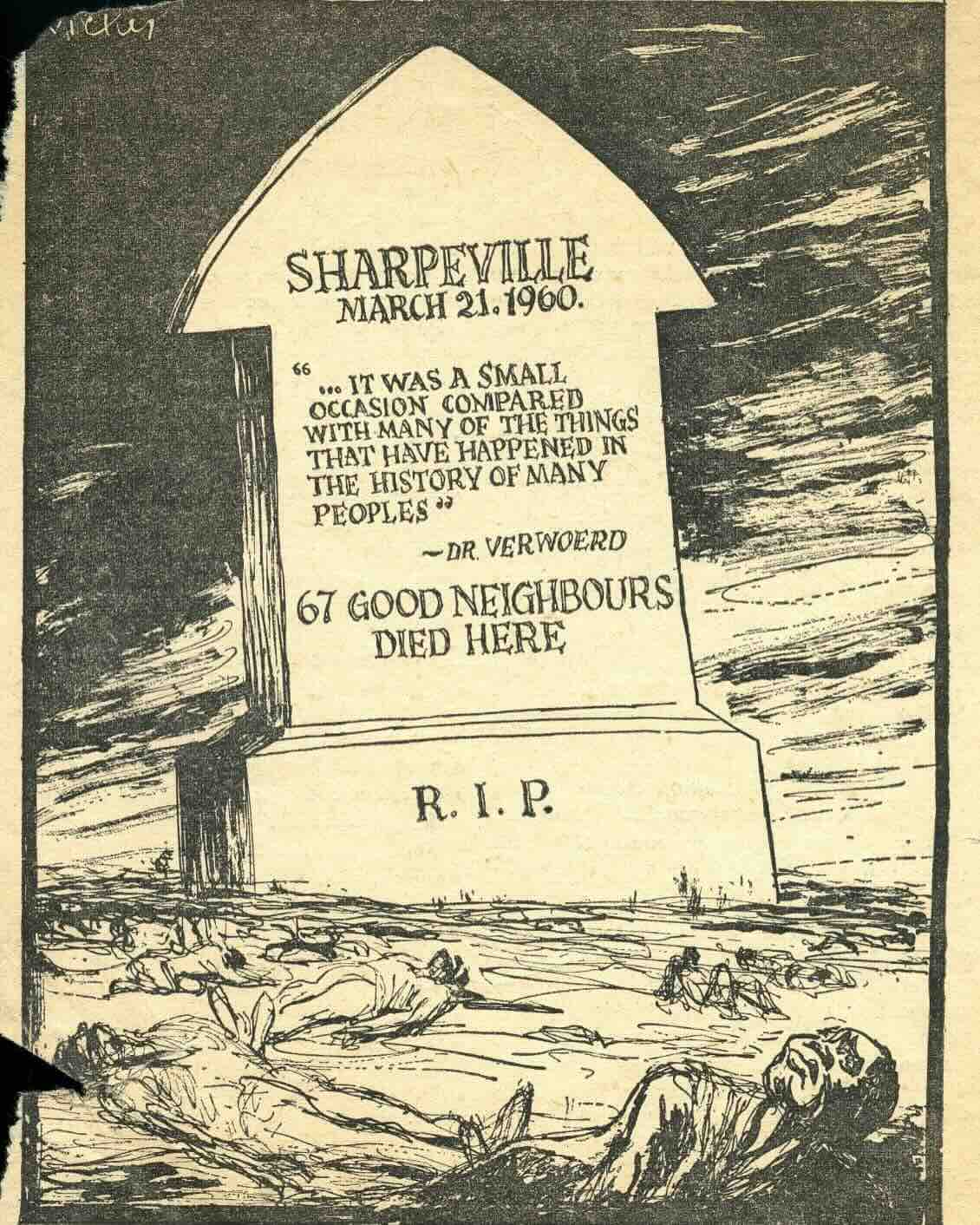
On 21 March 1960, one of the most tragic and significant events in South African history took place in the township of Sharpeville. Known as the Sharpeville Massacre, the event became a global symbol of the brutality of apartheid and marked a major turning point in the struggle against racial oppression in South Africa. The massacre not only exposed the violent nature of the apartheid government but also intensified both domestic resistance and international condemnation of the regime.
Background: Apartheid and Pass Laws
To understand the significance of the Sharpeville Massacre, it is important to understand the political environment of South Africa at the time. The country was governed under apartheid, a system of institutionalised racial segregation introduced by the National Party in 1948. Apartheid laws classified people according to race and restricted the rights of the non-white majority, especially Black South Africans.
One of the most resisted policies under apartheid was the pass law system. These laws required Black South Africans to carry passbooks, documents that controlled where they could live, work, and travel. Police could stop individuals at any time and demand to see their passbooks. If someone did not have the correct documents, they could be arrested, fined, or imprisoned. The pass laws severely restricted freedom of movement and were widely seen as humiliating and oppressive.
Resistance to these laws had been growing for years. Political organisations such as the African National Congress (ANC) and the Pan Africanist Congress (PAC) organised protests and campaigns against apartheid legislation. By 1960, tensions between the government and anti-apartheid activists had reached a critical level.
The Protest at Sharpeville
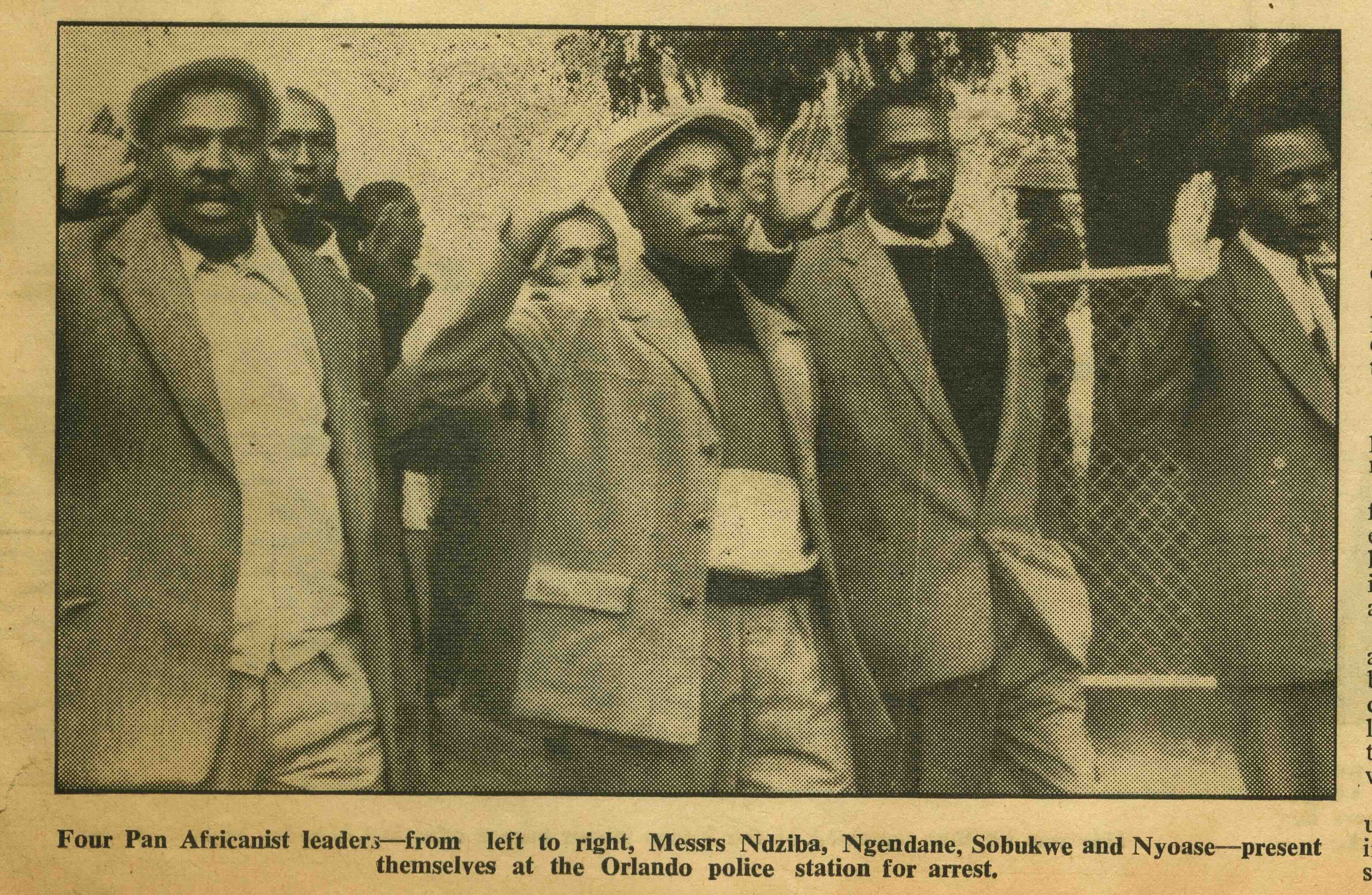
In March 1960, the PAC, led by Robert Sobukwe, launched a national campaign against the pass laws. The strategy was simple but powerful: protesters would leave their passbooks at home and peacefully present themselves at police stations, demanding to be arrested. The idea was to overwhelm the system and demonstrate mass resistance to the laws.
On the morning of 21 March 1960, thousands of people gathered outside the Sharpeville police station. Estimates suggest that between 5,000 and 7,000 protesters were present. Many were unarmed and carried no passbooks as a sign of defiance. Witnesses reported that the crowd was largely peaceful, although tensions were high as police reinforcements arrived.
In March 1960, the PAC, led by Robert Sobukwe, launched a national campaign against the pass laws. The strategy was simple but powerful: protesters would leave their passbooks at home and peacefully present themselves at police stations, demanding to be arrested. The idea was to overwhelm the system and demonstrate mass resistance to the laws.
On the morning of 21 March 1960, thousands of people gathered outside the Sharpeville police station. Estimates suggest that between 5,000 and 7,000 protesters were present. Many were unarmed and carried no passbooks as a sign of defiance. Witnesses reported that the crowd was largely peaceful, although tensions were high as police reinforcements arrived.
The Shooting
At around midday, without clear warning, police opened fire on the crowd. The shooting lasted only a short time but had devastating consequences. Sixty-nine people were killed and more than 180 were injured. Many victims were shot in the back while fleeing, indicating that they were attempting to escape rather than attack the police.
Toko Kotsoame
Sharpville Six, 1986
The Protest in Cape Town
In the days following the Sharpeville shootings, Cape Town became another centre of resistance. When news of the massacre reached the city, between 1 000 and 5 000 protesters gathered at the Langa Flats bus terminus at about 17:00 on 21 March 1960.
Their assembly openly defied the nationwide ban on public meetings of more than ten people. Police ordered the crowd to disperse within three minutes, but when protesters reconvened, officers responded with batons, tear gas, and gunfire. Three people were killed and 26 wounded. Tension escalated throughout Langa, and in the unrest that followed, a Cape Times employee, Richard Lombard, was killed by the rioting crowd.

New Age, September 1960
International Reaction
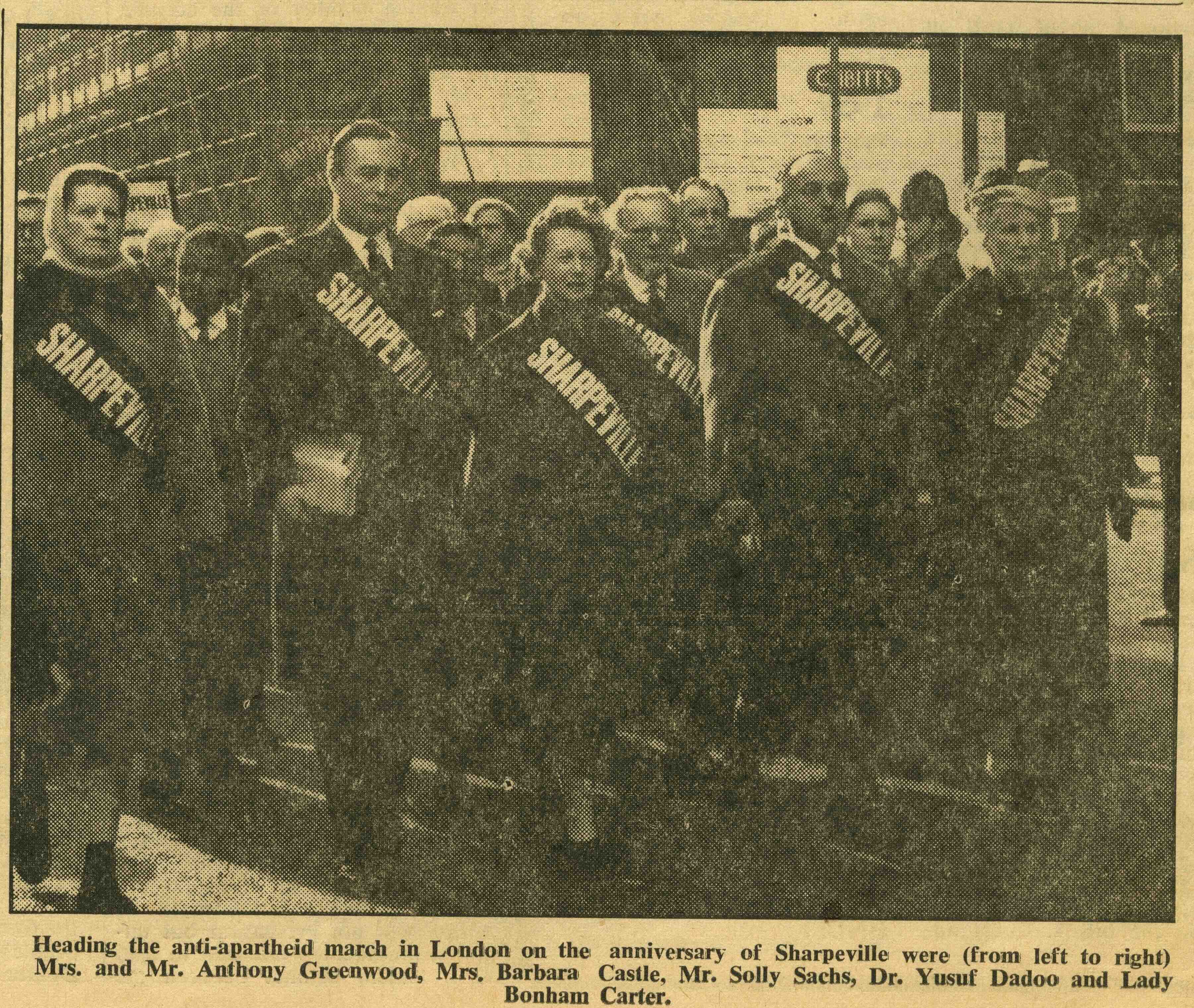
The Sharpeville Massacre attracted widespread international condemnation. Governments, organisations, and citizens around the world criticised South Africa’s apartheid policies. The event played a significant role in turning global public opinion against the apartheid regime.
The United Nations Security Council passed a resolution condemning the violence and calling on South Africa to abandon its racist policies. Over time, Sharpeville contributed to the growing international movement for sanctions, boycotts, and diplomatic pressure against the South African government.


Commemoration and Legacy
Today, the events of Sharpeville are remembered as a crucial moment in South Africa’s journey toward democracy. The date of the massacre, 21 March, is now commemorated as Human Rights Day in South Africa. The day honours those who lost their lives fighting for freedom and recognises the importance of protecting human rights for all citizens.
Wits University, 1990
